Majestic Journeys: The Humpback Highway’s Impact on Travel and Nature
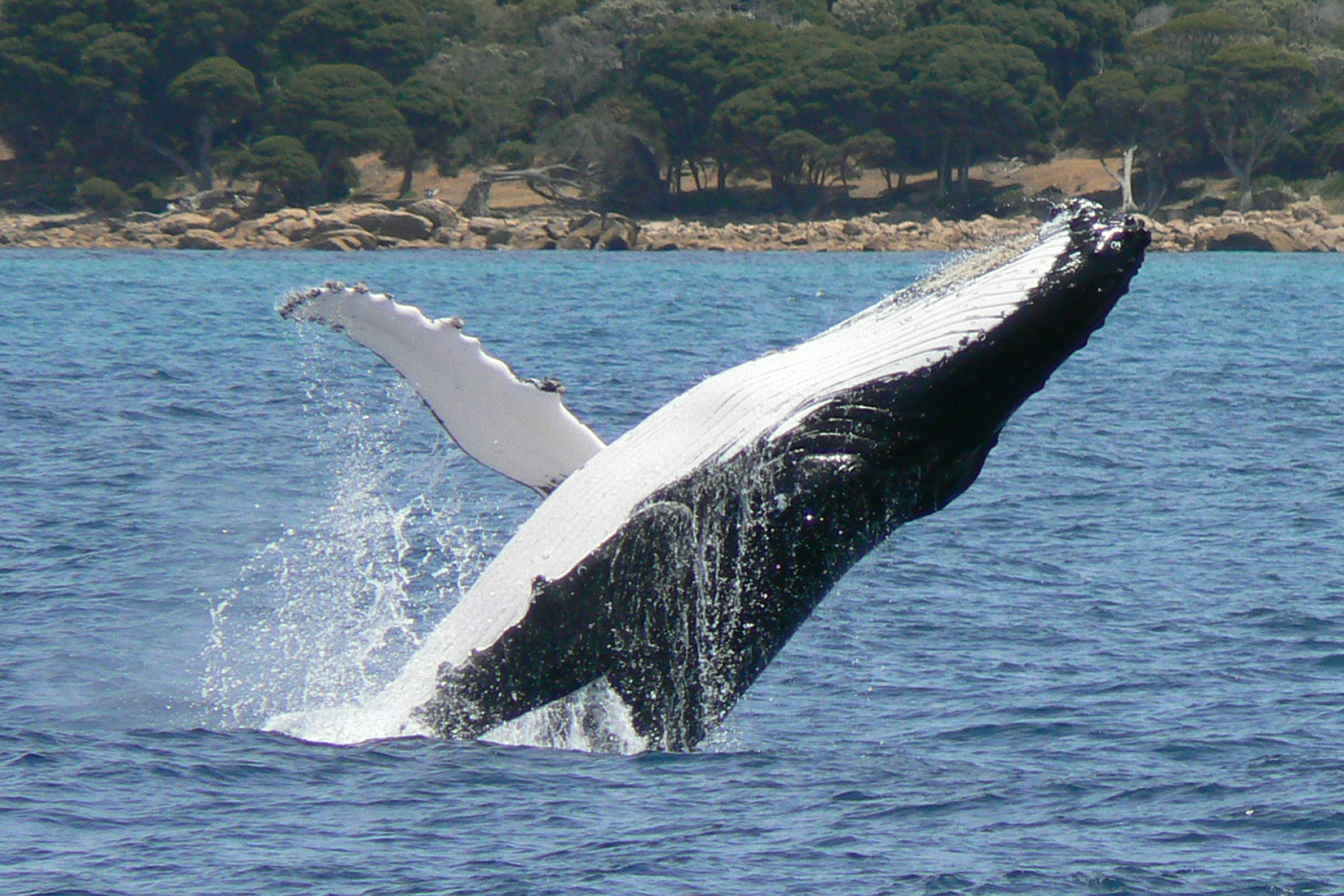
The summer months bring about an awe-inspiring natural event along Australia’s east coast that has captivated both locals and visitors alike: the annual migration of humpback whales. This phenomenon, in which roughly 40,000 whales traverse the so-called “Humpback Highway” for their breeding season while covering nearly 6,000 miles, offers a breathtaking spectacle. Yet, it also poses some tricky parts for travel and coastal logistics that merit a closer look.
The sight of enormous whales—some as big as buses—making their way through harbor waters is nothing short of extraordinary. However, this natural occurrence can lead to delays in water travel and force authorities and travelers alike to figure a path through a series of complicated pieces and overwhelming adjustments. In this editorial, we examine the many layers of this phenomenon, exploring its implications on outdoor activities, local communities, and the broader environmental narrative.
Understanding the Humpback Whale Migration and Its Cultural Significance
At the center of this vibrant natural event lies the humpback whale migration. Every June, these majestic creatures embark on an epic journey—a migration that is not just a biological imperative but also a cultural spectacle that has been celebrated and revered by coastal communities for generations. The migration is a reminder of the intricate bonds between nature and human life, inviting us to dive in and appreciate both the beauty and the challenges that accompany such happenings.
Beyond being a seasonal occurrence, the humpback migration is a tale full of subtle details. Coastal residents and tourists alike find themselves enchanted by the sight and sounds of these tidal travelers. For many, this period translates into an annual celebration of life, renewal, and nature’s capability to command both respect and wonder. While this event is super important to marine biologists and environmentalists, it has also sparked interests among travel enthusiasts who see it as an opportunity for closer encounters with nature.
Coastal Tourism: Embracing Nature Without Losing Momentum
Coastal tourism takes a leap when a natural phenomenon of this scale occurs. Visitors flock to vantage points along the east coast, hoping to catch a glimpse of the migrating whales, often armed with cameras and a thirst for adventure. However, the infusion of tourism into this scenario is not without its challenges. Local businesses, tourism operators, and visitors need to find their way through a maze of factors that can sometimes be off-putting.
Many coastal towns are adapting their infrastructure to ensure that the influx of tourists does not negatively impact both the natural habitat and the experience of those seeking solace by the ocean. The community’s response typically includes measures geared towards managing water travel and ensuring that boats and other watercraft steer through these natural corridors safely. Working through these adjustments requires coordination, ingenuity, and a keen eye on balancing economic benefits with environmental conservation.
Travel Delays and the Nitty-Gritty of Water Transport
One of the more tangible impacts of the humpback migration is on water travel. As whales the size of buses pass through busy harbors along the east coast, travel delays become a reality for boat operators and passengers alike. While some view these temporary inconveniences as minor bumps in the road, they can also be a source of frustration, particularly for those with tight schedules.
Several factors contribute to these delays, such as:
- The unpredictable nature of whale movements
- The need for boat operators to patiently wait for whales to pass
- The combined efforts of local authorities trying to manage the situation safely
These elements require stakeholders to steer through a web of decisions that sometimes feel overwhelming, especially when plans need to be adjusted on the fly. For many, the additional wait time is a small price to pay for witnessing one of nature’s most impressive shows. Still, for daily commuters and commercial operators, these delays necessitate a more thoughtful planning process, one that carefully weighs the demands of the sea against the needs of human schedules.
Local Communities and Their Response: Finding a Balance
Local communities along Australia’s coast have a unique relationship with the sea—they not only depend on it for economic opportunities but also embrace it for its calming and resilient spirit. The humpback migration, while a marvel, places these communities in a delicate position where they must balance the interests of conservation with the everyday demands of coastal living.
Residents have long adapted to seasonal changes within their environment. However, when the sea’s inhabitants grow large enough to affect travel and daily commerce, the communities are required to sort out new strategies. These strategies include:
- Coordinated scheduling of ferry and water taxi services
- Temporary rerouting of water traffic to minimize delays
- Enhanced communication between local government and maritime stakeholders
While these adjustments may seem like small twists in the normal routine, they underscore a larger theme: finding your path through nature’s unpredictable course. In many ways, the reaction of coastal communities reflects the pragmatic approach they have taken over time—recognizing that when nature presents a challenge, adapting becomes not just necessary but also a form of communal resourcefulness.
Environmental Conservation and the Impact on Marine Life
This seasonal migration is a reminder of why environmental conservation matters so much. There is a renewed urgency between the subtle details of marine life preservation and the heavy demands of tourism and local commerce. Experts stress that ensuring the protection of these magnificent creatures should be a key priority for all involved.
The environmental benefits of observing humpback whales can be considerable, provided that conservation efforts are robust and well-managed. These benefits include:
| Aspect | Benefit |
|---|---|
| Marine Biodiversity | Protecting humpback whales helps maintain a balanced ecosystem. |
| Economic Impact | A thriving ecosystem attracts eco-tourists, fostering local employment opportunities. |
| Educational Value | Witnessing the migration offers a strong learning experience about nature and conservation. |
| Cultural Significance | The event reinforces local and indigenous values regarding reverence for nature. |
Despite these benefits, there are still nerve-racking elements associated with balancing human interests with the subtleties of marine life. Environmentalists caution that too much interference or mismanagement of activities surrounding the migration might lead to adverse effects on the whales and their habitat. Community stakeholders are therefore tasked with navigating multiple layers of responsibility—from ensuring safe viewing distances to promoting sustainable tourism practices.
Community Engagement: Emphasizing Education and Awareness
Education and community engagement have become super important aspects of managing the humpback migration. Local authorities, in tandem with conservation groups, are actively working to raise awareness about how best to interact with these magnificent animals. For example, public advisories often encourage safe viewing practices and outline the steps that boat operators should take when encountering whales. These efforts are designed to protect both human life and marine life, creating an environment where everyone can enjoy the miracle of nature responsibly.
Here are some recommended guidelines for interacting with the humpback migration safely and respectfully:
- Keep a safe distance from the whales to avoid disturbing their natural behavior.
- Adhere to local regulations and guidelines provided by marine authorities.
- Stay informed about the dynamic conditions of the coastline during the migration period.
- Support eco-friendly and sustainable tourism initiatives in the region.
By taking these steps, both locals and tourists can ensure that their experiences are enriching and do not inadvertently harm the environment. Furthermore, educational efforts extend to highlighting the tricky parts of coexisting with large marine animals, reinforcing that respect and understanding go hand in hand with admiration.
Economic Considerations and the Ripple Effects on Coastal Travel
The humpback migration isn’t just an environmental or cultural event—it also has significant economic implications for the region. Tourism, local business activities, and even real estate dynamics are all influenced by such seasonal phenomena. Coastal towns might see brief periods of traffic congestion and logistical delays, but these are often offset by the economic boosts that come from increased visitor numbers.
Businesses in coastal communities are finding creative ways to transform a potential inconvenience into a positive opportunity. For instance, local tour operators have introduced whale-watching excursions that are designed to maximize safety while showcasing nature’s spectacle. Restaurants, souvenir shops, and accommodation providers also benefit from the increased traffic, thereby reinforcing the local economy.
Nonetheless, economic benefits come with a set of subtle challenges such as:
- Managing peak tourism periods while avoiding excessive strain on local resources.
- Addressing the small distinctions between short-term gains and long-term sustainability.
- Ensuring that community interests are preserved even as commercial interests expand.
These challenges require all stakeholders to get into a dialogue that weighs immediate economic gains against the long-term health of the local environment. In many cases, finding the right balance means carefully working through the tangled issues that come with integrating nature-based tourism into everyday local life.
Adapting Infrastructure: Making Way for Nature While Keeping on Schedule
The delays in water travel due to passing whales have sparked innovative thinking among infrastructure planners. Local governments and maritime authorities face the off-putting yet essential task of adapting existing systems to better accommodate both the natural world and human needs. By investing in better scheduling systems and advanced navigation technology, they are striving to ensure that both whale migrations and human travel can coexist harmoniously.
One emerging strategy involves the deployment of updated tracking systems that provide real-time information on whale movements, allowing boat operators to plan accordingly. This new approach not only mitigates delays but also offers valuable data for marine conservation efforts. To break it down further, here are some key initiatives being implemented:
- Real-Time Tracking Systems: Utilizing advanced radar and satellite technology to monitor whale locations.
- Flexible Scheduling: Allowing for dynamic changes in travel itineraries based on live data.
- Community Training Programs: Educating local operators about safe practices during the migration period.
These measures are a testament to local ingenuity and the willingness of communities to take the wheel in managing nature-induced challenges. By figuring a path that respects both wildlife and human schedules, authorities are setting a commendable example for other regions facing similar issues.
Delicate Balancing Acts: The Intersection of Nature, Tourism, and Local Life
The humpback whale migration in Australia showcases a delicate balancing act. On one side, there exists a natural wonder that draws the attention and hearts of thousands each year. On the other, there are the everyday demands of travel, commerce, and the intrinsic need for safety and order. Managing these sometimes conflicting priorities calls for a balanced approach that takes into account the hidden complexities of marine ecosystems as well as the immediate expectations of human travelers.
In many ways, this is a scenario riddled with tension, where the natural and the man-made converge to form an environment full of problems and opportunities alike. For travelers, it might be intimidating to adjust plans or accept delays when used to more straightforward schedules. For local officials, every decision can feel like a nerve-racking tightrope walk between conservation and economic interests.
The small distinctions between these various facets require careful thought. They are not just administrative decisions but represent the societal choices we make about how to live in tandem with nature. The experience invites both locals and visitors to appreciate the subtle parts of nature’s patterns—encouraging a deeper reflection on how daily life, technological advancement, and ecological stewardship are inextricably linked.
Planning Your Visit: Tips for a Smooth Experience During the Whale Migration
For those planning to experience the humpback whale migration firsthand, a little preparation can go a long way. Understanding the dynamics of coastal travel during this period can help you steer through potential delays and maximize the delight of the experience. Here are some practical guidelines to make your visit both safe and enjoyable:
- Stay Informed: Before setting out, check for updates on whale movements and travel conditions. Local news outlets and maritime authority websites often have the latest information.
- Flexible Scheduling: Plan your itineraries with extra time in mind. A flexible schedule allows for the nerve-racking wait times that may come with whale crossings.
- Adhere to Safety Guidelines: Always maintain a safe distance from the whales, ensuring that both you and the marine creatures remain unharmed.
- Support Local Initiatives: Consider joining local tours or community-led activities that promote sustainable and respectful marine observation.
- Pack Essentials: Bring along water, snacks, and a camera. Spending time outdoors means being prepared for changing weather conditions and long hours of waiting.
By following these simple tips, visitors can enhance their experience and contribute positively to the local efforts aimed at protecting both travel interests and marine life. It is all about making a conscious effort to interface with nature on its own terms rather than imposing a rigid human schedule on a fluid, natural event.
Environmental Policy and Future Directions for Coastal Conservation
Looking forward, it is imperative that environmental policies continue to evolve in order to harmonize human activities with the natural world. The humpback whale migration serves as a powerful case study on the importance of creating policies that are both flexible and forward-thinking. Policymakers must take into account not only the economic implications but also the fine points of wildlife preservation and community well-being.
Some key points for future considerations include:
- Enhanced Research Initiatives: Funding more studies to get into the subtle parts and hidden complexities of whale migration patterns can lead to more predictive planning.
- Infrastructure Investment: Upgrading technology and maritime systems to better handle natural delays will benefit both the economy and conservation efforts.
- Community Collaboration: Fostering stronger ties between government agencies, local businesses, and conservation groups to create a unified approach that benefits all parties involved.
- Sustainable Tourism Development: Crafting tourism policies that emphasize eco-friendly practices, ensuring that short-term gains do not come at the expense of long-term ecological health.
By carefully working through these issues and using innovative solutions, communities and policymakers have the opportunity to create a model for other regions where nature and human life intersect in subtle, yet significant, ways. The experience of managing travel delays and environmental conservation during the whale migration provides a blueprint for using creativity and determination to address some of nature’s trickier bits.
Bridging the Gap: How Tourism and Conservation Can Work Hand-in-Hand
The challenges encountered during the humpback migration highlight an essential truth: tourism and conservation are not mutually exclusive, but rather two sides of the same coin. The presence of thousands of tourists can lead to increased funding for local conservation initiatives, which in turn can benefit marine ecosystems and enhance the overall experience for visitors.
This relationship is built on the premise that both sides gain from mutual respect and balanced practices. For example, eco-tourism initiatives have emerged as a key way to showcase the natural beauty of the coastline while enforcing guidelines that protect wildlife. Here are some ways tourism is being leveraged to foster conservation:
- Eco-Tourism Packages: Organized trips that provide educational commentary and ensure minimal disruption to natural habitats.
- Community Workshops: Local groups offering sessions on how to appreciate marine life responsibly and safely.
- Public-Private Partnerships: Collaborations between businesses and local councils aimed at beautifying coastal areas, all while promoting environmentally sound practices.
These approaches allow travelers to experience nature meaningfully, ensuring that the long-term welfare of the marine ecosystem is not sacrificed for short-lived economic benefits. The subtle details of such initiatives remind us that even in a scenario packed with challenges, harmonious coexistence is possible.
Reflecting on the Broader Impacts: Lessons Learned from the Humpback Migration
The humpback migration, with its blend of natural splendor and logistical hurdles, teaches us many valuable lessons about how we interface with the environment. Perhaps one of the most important takeaways is the need for flexibility, both in our planning and in our outlook toward nature. Amid the myriad of tangled issues—ranging from travel delays to environmental pressures—there is a clear message: adapting to nature’s rhythm is not only wise but necessary.
Reflecting on these experiences, we see that human ingenuity often rises to meet the challenge of unpredictable nature. Whether it’s through upgrading travel infrastructure, engaging in community dialogues, or even just adjusting our own expectations, each action speaks to our desire to work through tricky parts rather than resist them.
This series of events forces us to reexamine our relationship with the natural world and to appreciate that sometimes, nature demands that we be patient and open to change. The whale migration doesn’t just disrupt our schedules—it also invites us to immerse ourselves in nature’s flow, to witness something both overwhelming and mesmerizing, and to remember the small distinctions between convenience and conservation.
Community Voices: Opinions from Local Residents and Visitors
Among the diverse perspectives from local communities and visitors alike, one recurring sentiment is the recognition that the whale migration is an experience that brings people together. Long-time residents speak of the migration with a deep sense of pride and a personal connection to the coastal heritage. They describe it as an annual festival of nature that refreshes the spirit and reconnects people with a timeless rhythm of the sea.
Visitors, on the other hand, often express both excitement and mild frustration. The excitement comes from witnessing one of nature’s most incredible spectacles, while frustration typically arises from the nerve-racking delays and logistical challenges. However, many agree that these inconveniences are just part of the experience—a minor trade-off for getting a front-row seat to such a remarkable natural event.
As these voices merge, they paint a picture of a community that is learning to appreciate and accommodate the unpredictable turns of nature. They remind us that while the migration may temporarily disrupt normal schedules, it ultimately enriches our lives by providing opportunities to engage more deeply with the environment.
Looking Ahead: The Future of Coastal Management in a Changing World
The current discussions and initiatives surrounding the humpback migration are part of a larger conversation about coastal management in an era of rapid change. Climate change, evolving marine ecosystems, and shifting travel demands are all forces that continue to shape the way we interact with our coastal environments.
Looking ahead, it is essential that future strategies are built on the lessons learned during these seasonal migrations. A resilient coastal management plan will need to address:
- Adaptive Infrastructure: Investments in technology and systems that are responsive to both natural events and human usage patterns.
- Community-Based Initiatives: Empowering local communities to take the lead in managing natural phenomena, ensuring their voices are heard in policy decisions.
- Balanced Economic Models: Recognizing that economic growth need not come at the expense of environmental stewardship but can, in fact, promote a sustainable, long-term vision.
These key components will form the backbone of a future where traveling along the coast is not just a means of getting from point A to point B, but a richer, more integrated experience that respects both nature and human life. With careful planning and thoughtful policy, we can ensure that majestic whale migrations continue to inspire and educate future generations without sacrificing the convenience and safety of coastal travel.
Reimagining Coastal Experiences: A Call for Patience and Innovation
The annual humpback migration offers an opportunity to reimagine the coastal experience. It beckons us to take a closer look at how we can harmonize technology, tourism, and nature into a cohesive agenda that benefits everyone. Instead of seeing the migration as an inconvenience, we might view it as a chance to embrace a more flexible, inventive approach to travel.
This is a period full of potential: an opportunity to explore creative scheduling, invest in cutting-edge tracking tools, and build deeper community bonds. In doing so, we turn what might have once been seen as overwhelming disruptions into a catalyst for positive change. The lessons captured in the timing and behavior of these magnificent marine creatures serve as an enduring reminder that nature, in all its unpredictable splendor, frequently offers the best opportunities for growth and innovation.
Conclusion: Celebrating Nature and Adapting to Its Challenges
Ultimately, the humpback whale migration along Australia’s east coast is much more than a seasonal event—it is a dynamic intersection of nature, culture, tourism, and local industry. The occasional delays in travel and the intricate challenges of managing water traffic are simply part of a broader narrative about learning to appreciate and adapt to nature’s rhythm. As communities, business owners, and tourists find their way through these tangled issues, they are reminded that coexistence with the natural world requires both respect and flexibility.
This beautiful yet nerve-racking dance between human life and the untamed forces of nature instills a sense of wonder and responsibility in all who witness it. By embracing innovative solutions, engaging in community dialogue, and continually educating ourselves on the subtle details of the marine ecosystem, we not only enhance our travel experiences but also contribute to the preservation of a wonder that has enchanted us for years.
As we look forward to future migrations, let us hold onto the notion that natural challenges are not obstacles but opportunities—chances to grow, innovate, and ultimately celebrate the magnificence of our world. Whether you’re a local resident, an avid traveler, or a curious observer, the humpback whale migration is a call to appreciate life’s unexpected detours and to bravely work through the tricky parts that come with living in harmony with nature.
In the end, as we sort out the various layers of coastal travel and environmental conservation, we reveal a shared truth: when we patiently observe and responsibly interact with nature, we are rewarded with experiences that enrich our lives and remind us of our collective responsibility to safeguard the planet for future generations.
Originally Post From https://www.wral.com/video/whales-begin-summer-travel-along-australia-s-humpback-highway/22065760/
Read more about this topic at
Commuter traffic stops for whales on Australia’s humpback …
Commuter traffic stops for whales on Australia’s humpback …